Where to stay
Choosing a base in Tokyo: central, transit and family areas
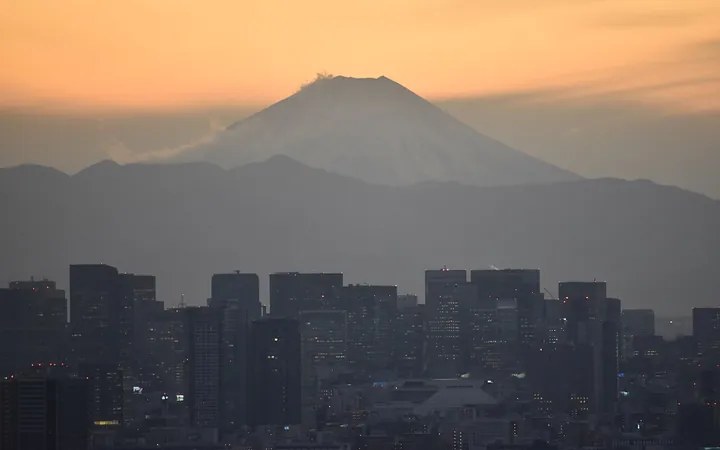
Quick answer. Choosing a base in Tokyo, Japan, means balancing walkable sights in Shinjuku and Shibuya against calmer streets or wider rooms in Ginza and Asakusa. Outdoor plans often suit March to May and October to November, for cherry blossom and autumn colour. Compare booking sites side by side with your dates filled in on FindMyHotel.
Partner links. This guide includes partner links. If you book through one we may earn a commission, at no extra cost to you. It never changes the price or the order of our results.
Matching your Tokyo base to your trip style
Every trip to Tokyo in Japan asks a slightly different question of your hotel location. A vast metropolis mixing neon districts, temples, gardens, outstanding food and very efficient trains. A traveller arriving by train for two nights needs different streets from a family settling in for a full week.
Instead of treating one district as right for everyone, compare how Shinjuku, Shibuya and Ginza handle morning departures, afternoon rests and evening meals. Ten minutes of map checking upfront saves daily transit friction.
FindMyHotel is free to use and never displays or invents hotel rates, star ratings or scores. Our links open booking sites with Tokyo and your dates pre-filled so you compare live availability directly.
| District | Character | Practical match |
|---|---|---|
| Shinjuku | Major rail hub with skyscrapers, nightlife and department stores | Short breaks and walkable landmarks |
| Shibuya | Youth-fashion district with the famous pedestrian scramble crossing | Evening dining and lively streets |
| Ginza | Upscale shopping and dining area close to Tokyo Station | Balanced pace and repeat visits |
| Asakusa | Older district around Sensō-ji temple, with traditional shops and streets | Longer stays and family space |
Historic core and walkable sights: Shinjuku
For short city breaks where stepping straight out on foot matters most, Shinjuku usually leads the shortlist. In Tokyo, Shinjuku is valued for major rail hub with skyscrapers, nightlife and department stores.
Older central streets bring plenty of character alongside practical trade-offs such as compact floor plans, cobblestones or pedestrian taxi limits. Checking lift availability and street orientation helps you pick a comfortable building.
If you wake early to photograph landmarks or visit museums at opening time, sleeping in Shinjuku lets you return to your room mid-afternoon before heading out for dinner.
Evening dining and transit connections: Shibuya
Travellers who care as much about cafés, restaurants and transit links as daytime monuments compare Shibuya closely. Here you find youth-fashion district with the famous pedestrian scramble crossing.
Active evening neighbourhoods remove the need for late-night taxis back from dinner, though rooms directly above busy bar terraces hear conversation later into the night. Courtyard-facing or upper-floor categories keep sleep peaceful.
Check walking distance to the nearest rail, metro, tram or bus stop on the booking map so day trips and airport transfers stay straightforward.
- Compare Shinjuku for landmark proximity against Shibuya for evening dining.
- Read newest guest reviews for soundproofing, lift and air-conditioning notes.
- Check luggage storage hours if arriving early or departing late.
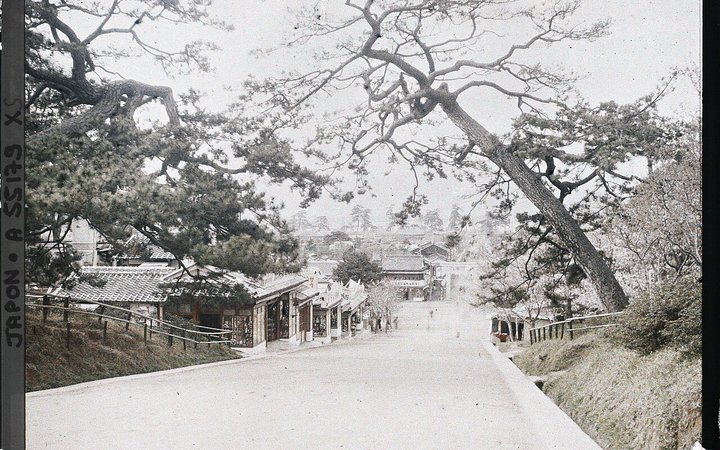
Calmer streets, apartments and family stays: Ginza and Asakusa
Families, remote workers and longer-stay visitors often prefer a slightly calmer rhythm in Ginza, known for upscale shopping and dining area close to Tokyo Station. Bakeries, parks and grocery shops make multi-night routines feel natural.
Another practical option in Tokyo is Asakusa, offering older district around Sensō-ji temple, with traditional shops and streets. Serviced apartments and modern hotels outside narrow medieval plots more often provide connecting rooms, laundry machines and step-free entrances.
Always enter exact adult and child ages on each booking site so search results show rooms and apartments that fit local occupancy rules.
Seasons, events and cancellation checks in Tokyo
Demand across Tokyo moves with the calendar. Visits often work well during March to May and October to November, for cherry blossom and autumn colour, when central areas fill earlier and flexible bookings reward planning ahead.
Quieter periods in Tokyo commonly fall around January to February. Lower crowd levels make comparing both central hotels and residential apartments easier.
Before paying on any booking site, verify local visitor taxes, breakfast rules and the exact free-cancellation deadline in Tokyo's local time zone.
- Check major city congresses, festivals and school holiday weeks in Tokyo before locking non-refundable dates.
- Confirm whether local city taxes or resort charges are payable online or at the front desk.
- Keep a flexible rate if your onward flights or rail tickets are not yet finalised.
Onward routes from Tokyo and comparing sites
Visitors frequently link Tokyo with Kyoto, Osaka, Seoul on a regional itinerary. If catching an early morning train, ferry or flight onward, check departure transport times from your chosen neighbourhood before booking.
Open Booking.com, Agoda, Trip.com, Hotels.com, Hostelworld or Vrbo from FindMyHotel to compare the same dates side by side. Different sites sometimes list different meal plans or cancellation windows for the same hotel.
You always book and pay on the partner site directly at zero markup from FindMyHotel.
Useful for this trip
Partner links: we may earn a commission if you book, at no extra cost to you.
Ready to compare stays?
Open the booking sites with your destination and dates already filled in. Free to use, and we add nothing to the price.
Compare stays in TokyoNeed flights too? FindMyFlight.app compares fares worldwide.
Questions and answers
Which area in Tokyo suits a short walkable break?
Shinjuku and Shibuya put sights, dining and local transport within easy reach for short stays in Tokyo. Pick a side street or courtyard room if you prefer quiet nights.
Where do families and week-long visitors look in Tokyo?
Longer stays and families often compare Ginza and Asakusa alongside central aparthotels for wider floor layouts, parks and grocery access.
When is Tokyo usually quieter to visit?
Demand is often calmer during January to February, while March to May and October to November, for cherry blossom and autumn colour is popular for outdoor sightseeing.
Does FindMyHotel show room rates or star ratings for Tokyo?
No. FindMyHotel never shows or invents prices, star ratings or review scores. Partner booking sites display their own live availability and rates.
How do I compare flexible cancellation rules in Tokyo?
Open two or three partner sites from FindMyHotel with your dates filled in, match the exact room type and check the local cancellation deadline before paying.