Trip planning
Planning a stay in Rome: a first-timer's checklist
Quick answer. Start by choosing a central area such as Centro Storico, Trastevere, Monti or Prati. Allow at least three nights to see the main sights. Before booking, check cancellation terms, location and recent reviews. Plan a relaxed arrival day and consider adding Florence or Venice if time allows.
Partner links. This guide includes partner links. If you book through one we may earn a commission, at no extra cost to you. It never changes the price or the order of our results.
Which area should you stay in?
Rome's historic centre is compact and walkable, but each area has a different feel. Centro Storico puts you near the Pantheon, Piazza Navona and Trevi Fountain. This area is a practical choice for first-time visitors who want to walk to major sights.
Trastevere sits across the Tiber and is known for its cobbled lanes and evening atmosphere. It suits travellers who enjoy dining out and a lively nightlife. Monti is a more bohemian district near the Colosseum, with small shops and wine bars.
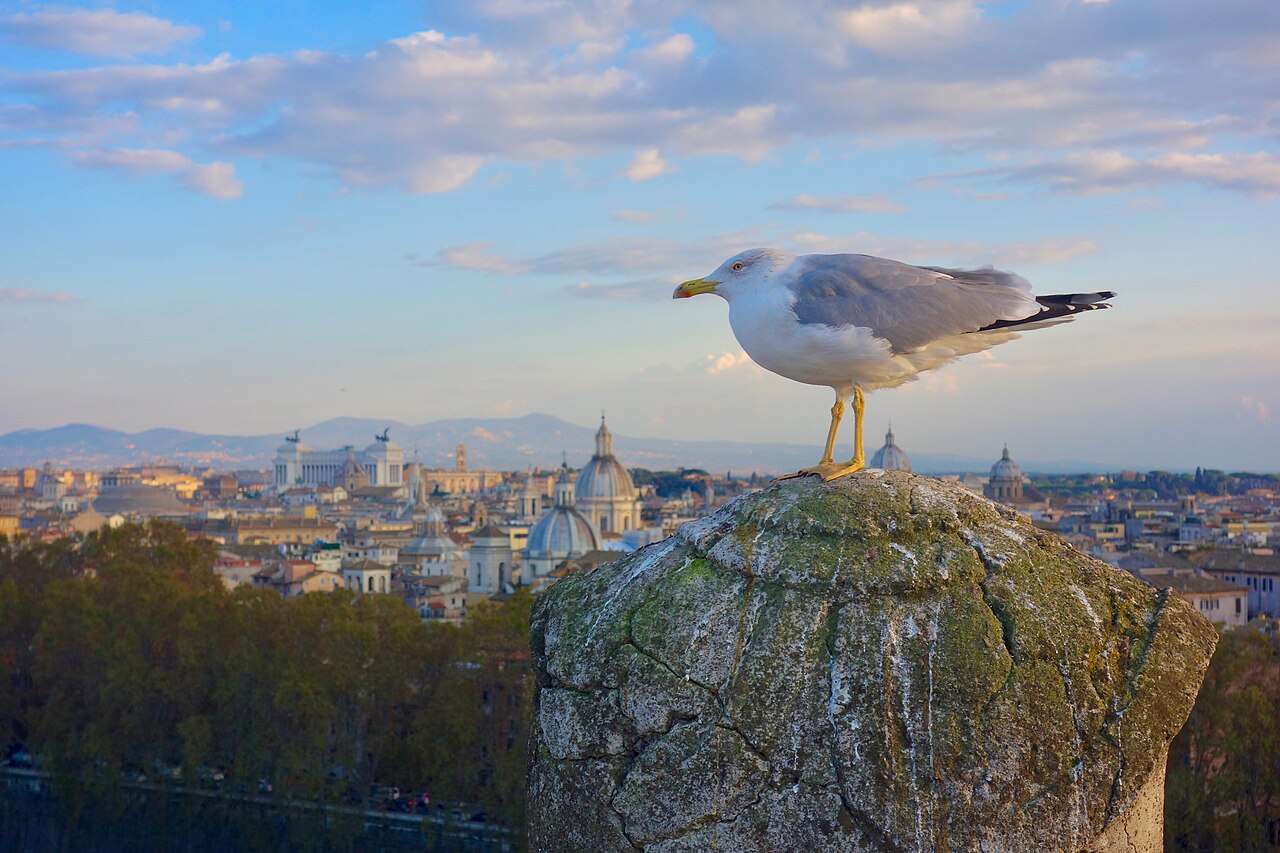
Prati is a calmer residential area close to the Vatican and Castel Sant'Angelo. It can be a good choice if you prefer quieter evenings and easy access to St Peter's. Think about your daily plans when you compare these areas.
How long should you stay?
Most first-time visitors find three to four nights enough for the main highlights. That gives you time for the Colosseum, Roman Forum, Vatican and a few piazzas without rushing. Add an extra night if you want a day trip or a slower pace.
Rome rewards wandering, so allow unstructured time between sights. A short two-night stay works if you are passing through, but you will only scratch the surface. Longer stays let you explore neighbourhoods such as Trastevere or Monti in more depth.
Consider your travel style and energy levels. You can see a lot in a day, but queues and heat in summer slow you down. A relaxed itinerary helps you enjoy the city rather than just tick boxes.
What to check before you book
Always read the cancellation policy before you confirm a booking. Some rates are flexible, while others are non-refundable. Check whether you can change dates without a penalty if your plans shift.
Look at the hotel's location on a map, not just the description. A place described as central may still be a long walk from the sights you want. Read recent guest reviews for comments on noise, cleanliness and service.
Confirm what is included, such as breakfast, Wi-Fi or city tax. These details can affect your overall budget and comfort. A quick look before you book can save you from surprises later.
Planning your arrival day
Your first day in Rome should be easy. Land, drop your bags and take a gentle walk to get your bearings. Do not schedule timed tickets for the first afternoon in case of flight delays.
Most hotels will store luggage if your room is not ready. Use that time to find a nearby café and study a map. A short walk to a piazza such as Piazza Navona helps you adjust to the city's rhythm.
Book any major attractions for the following days. This spreads out your energy and avoids a stressful start. An unhurried arrival sets a better tone for the rest of your stay.
Combining Rome with nearby places
Rome pairs well with Florence and Venice if you have a week or more. Trains connect the cities, so you can move between them without flying. Check current timetables and travel times before you set your dates.
A common plan is three nights in Rome, two in Florence and two in Venice. This gives you a taste of three very different Italian cities. You can also do Florence as a long day trip from Rome, though an overnight stay is more relaxed.
Check train times and book tickets in advance when possible. This helps you plan your hotel dates with confidence. Think about whether you prefer to start or end in Rome, as that affects your arrival and departure logistics.
Practical tips for a smooth stay
Wear comfortable shoes. Rome's historic centre is walkable, and cobblestones can be hard on your feet. Carry a refillable water bottle, as there are public drinking fountains around the city.
Book major attractions online before you travel. The Colosseum and Vatican Museums often have long queues, so a timed ticket can help. Check official websites for current rules and opening times.
Learn a few Italian phrases. A simple buongiorno or grazie goes a long way. Most people in tourist areas speak some English, but a little effort is appreciated.
How to compare and book your stay
You can use FindMyHotel to compare options across several booking sites without seeing prices on our site. We open well-known partners with your dates and guests already filled in, and the price is shown there. This makes it easy to look before you book.
FindMyHotel is free to use and never adds anything to a room rate. If you book through a partner link, we may earn a commission at no extra cost to you. You always book and pay the hotel or booking site directly.
Take your time to compare locations, reviews and cancellation terms. A little research before you book can save you money and hassle. Then you can focus on enjoying your Roman holiday.
Useful for this trip
Partner links: we may earn a commission if you book, at no extra cost to you.
Ready to compare stays?
Open the booking sites with your destination and dates already filled in. Free to use, and we add nothing to the price.
Compare stays in RomeNeed flights too? FindMyFlight.app compares fares worldwide.
Questions and answers
What is a good time of year to visit Rome?
April to June and September to October are pleasant months, with warm and comfortable days. January and February are the quietest months, so you will find fewer crowds but cooler weather.
Which area is good for a first-time visitor?
Centro Storico is a practical base, as it is walkable and close to the Pantheon, Piazza Navona and Trevi Fountain. Trastevere and Monti offer a more local feel, while Prati is calmer and near the Vatican.
How many days do I need in Rome?
Three to four nights is enough for the main sights at a comfortable pace. Add an extra night if you want a day trip or prefer to explore neighbourhoods slowly.
Should I book attractions in advance?
Yes, especially for the Colosseum and Vatican Museums. Timed entry tickets help you avoid long queues. Check official websites for current opening times and booking rules.
Can I visit Florence or Venice from Rome?
Yes, trains connect Rome with Florence and Venice. Check timetables for current travel times. Many travellers combine all three cities in one trip.