Trip planning
Planning a stay in Siem Reap: a first-timer's checklist
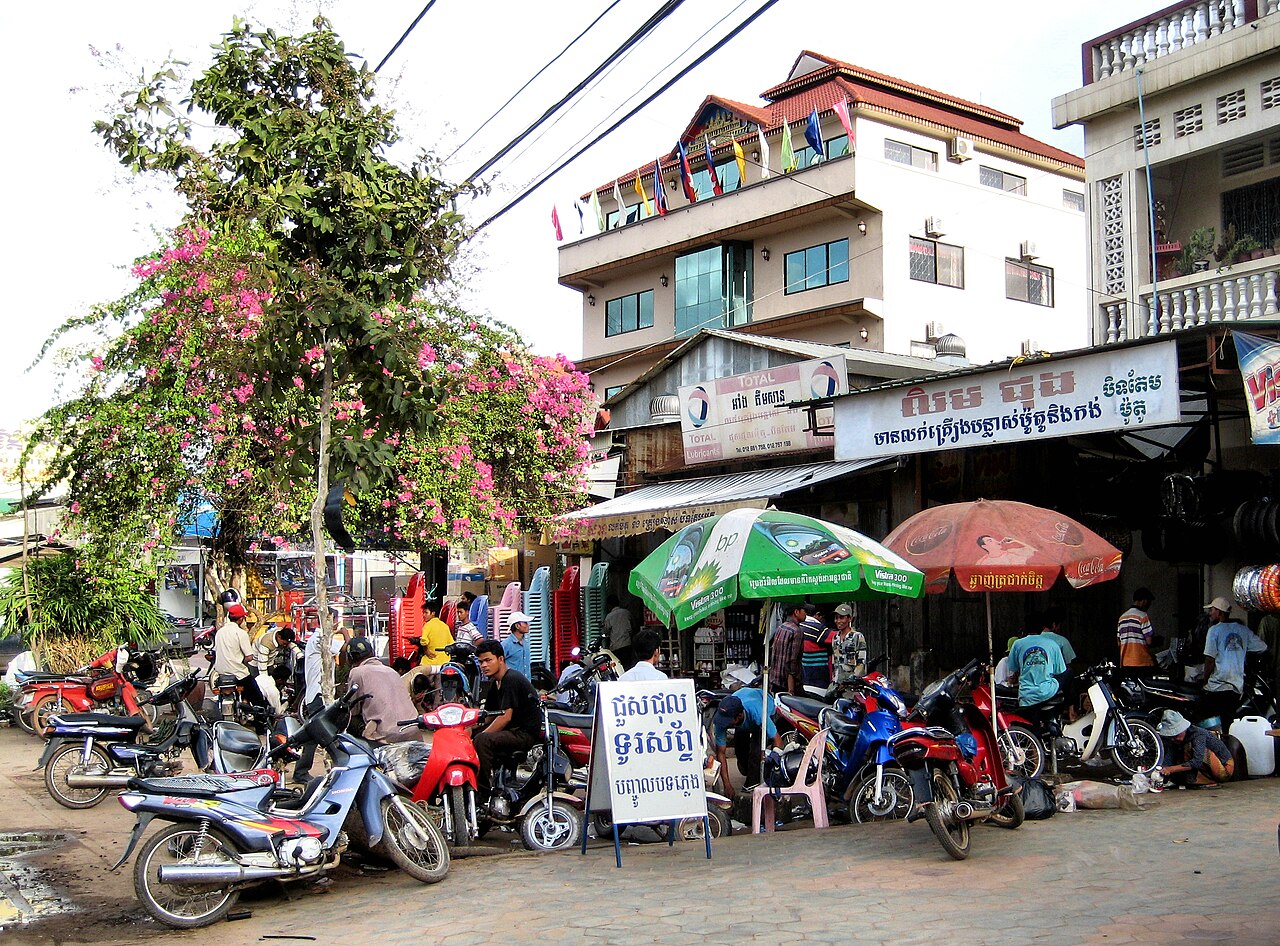
Quick answer. Start by choosing an area that suits your pace: Pub Street and Old Market for nightlife, Riverside for calm walks, the Road to Angkor for resort stays, or Wat Bo for quiet lanes. Before booking, check cancellation terms, exact location and recent reviews. Then plan a light arrival day and consider nearby cities for a longer trip.
Partner links. This guide includes partner links. If you book through one we may earn a commission, at no extra cost to you. It never changes the price or the order of our results.
Which area of Siem Reap should you choose?
Siem Reap has four main areas that suit different travellers. Pub Street and Old Market form the lively centre, with bars, restaurants and the night market on your doorstep. Riverside follows the tree-lined Siem Reap River and offers cafés, galleries and walking paths. The Road to Angkor heads toward the temples and has larger resorts with quick park access. Wat Bo is a quiet pagoda area east of the river, with cafés and boutique stays.
Think about how you want to spend your evenings. If you like to step out of your hotel and find dinner without a tuk-tuk, the centre works well. If you prefer calm lanes and a slower pace, Wat Bo or Riverside may suit you better. For early temple starts, the Road to Angkor puts you closer to the park entrance.
Consider how you will get around. The centre is compact and easy to walk, while Riverside and Wat Bo sit a short tuk-tuk ride from the busiest streets. The Road to Angkor is further from the town centre, so you may rely on transport for meals and errands. Match the area to your daily routine, not just the map.
- Pub Street and Old Market: lively centre with bars, restaurants and the night market
- Riverside: tree-lined river with cafés, galleries and walking paths
- Road to Angkor: route toward the temples with larger resorts and quick park access
- Wat Bo: quiet pagoda area east of the river with cafés and boutique stays
How many days do you need in Siem Reap?
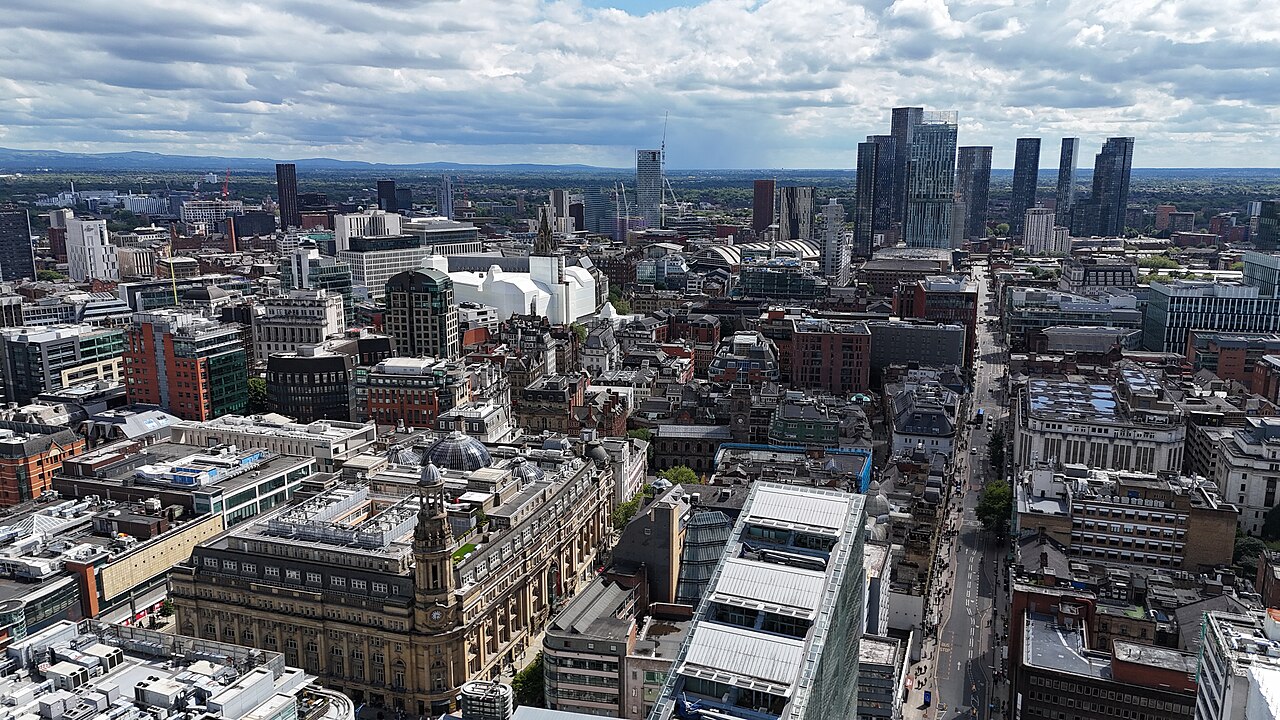
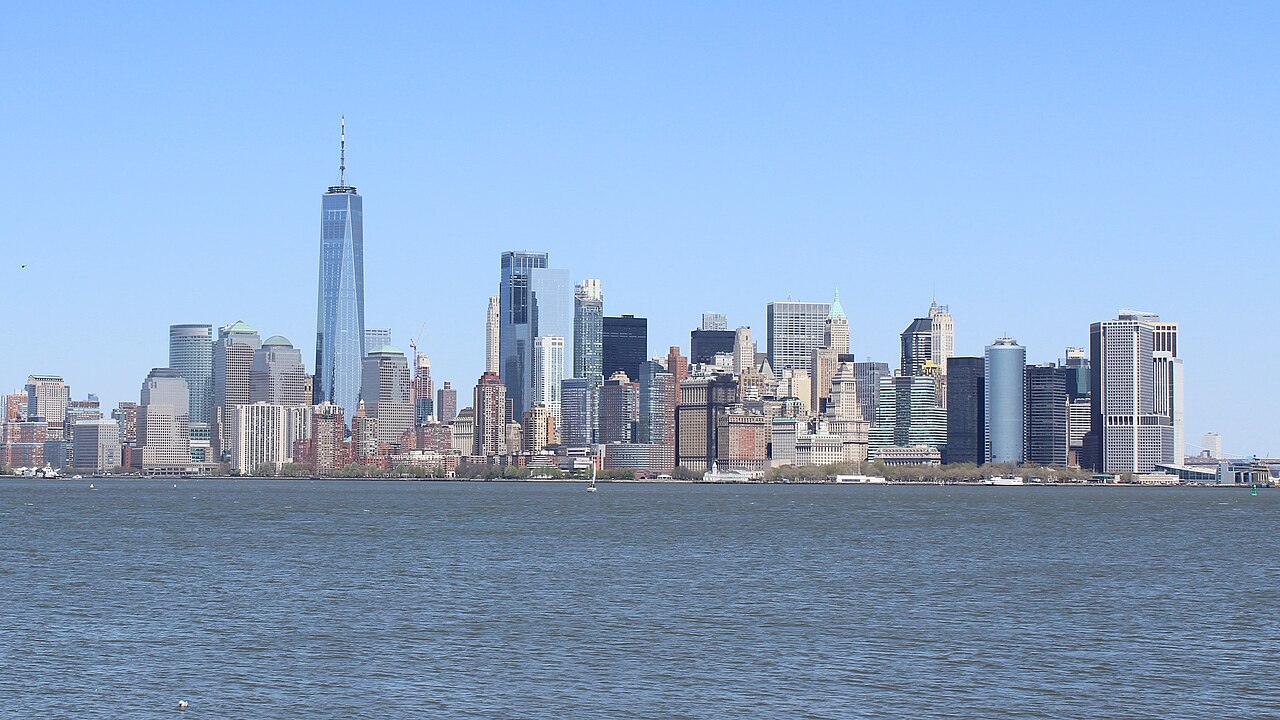
The length of your stay depends on what you want to see and how much time you can spare. A short break of a few days lets you visit the main temples and get a feel for the town. If you also plan to explore nearby cities such as Bangkok, Hanoi or Ho Chi Minh City, you will need more time for transfers and settling in.
The cooler, drier months from November to March suit long days of walking and temple-hopping. June to October is quieter, so you may find more space at the sites and a calmer atmosphere in town. Plan your days around the weather and your energy levels rather than trying to see everything at once.
A common approach is to spend the first full day in town, getting your bearings and adjusting to the pace. Then dedicate a day or two to the temples, starting early to avoid the heat. Keep one day flexible for rest, markets or a return to a favourite spot.
What should you check before you book?
Always read the cancellation policy before you commit. Some bookings allow free cancellation up to a certain date, while others are non-refundable. Check the exact deadline and any conditions, such as prepayment or no-show rules. If your plans might change, a flexible option is worth considering.
Look closely at the location on a map. A hotel described as central may still be a long walk from the areas you want to visit. Check the distance to the river, the market or the road to the temples, and think about how you will get around. Read recent reviews for comments on noise, cleanliness and service.
Use FindMyHotel to compare areas and open booking sites with your dates and guests already filled in. The site does not show prices, so you will see the rate on the partner site. This helps you look before you book and save time switching between tabs.
Check what is included in the room, such as breakfast, airport transfer or drinking water. Confirm the check-in and check-out times, especially if you arrive on a late flight. If you need a quiet room, ask for one away from the street or pool area.
How should you plan your arrival day?
Arrival day is worth keeping simple. Sort out your transfer from the airport before you travel, either through your hotel or a reputable local operator. Confirm the meeting point and have the address written down in case you need to show a driver. Once you arrive, take time to settle in and unpack.
Take a gentle walk around your neighbourhood to get your bearings. Find a nearby café or market for a drink and a snack, and note where the nearest convenience store is. This helps you feel oriented without tackling a big sightseeing plan on your first day.
Avoid scheduling a temple visit for the same day you land. Flights can be delayed and you may be tired. Instead, use the afternoon to rest and plan the next few days. Check the opening times of the sites you want to visit and arrange a tuk-tuk driver if you need one.
If you arrive in the morning, you might have time for a short stroll along the river or a look around the Old Market. Keep it light and see how you feel. A relaxed start sets a better tone for the rest of your trip.
How can you combine Siem Reap with nearby cities?
Siem Reap sits within reach of several major cities in the region. Bangkok, Hanoi and Ho Chi Minh City all appear as nearby destinations for a multi-city trip. If you are planning a route that includes them, think about the order that makes sense for your energy levels.
Allow plenty of time for each transfer, including the journey to the airport and check-in. Early morning flights can be tiring, so consider an afternoon departure if you want a relaxed start. Check baggage allowances and visa requirements with your airline and official sources before you travel.
If you are visiting more than one city, keep the first and last days light. That gives you room for delays and avoids rushing between hotels. A simple itinerary with one or two bases often feels more enjoyable than trying to cover too much ground.
Book your onward transport before you leave home, or at least confirm the options when you arrive. Check schedules and availability with the airline or operator for your dates. A little planning now saves stress later.
When should you visit Siem Reap?
The cooler, drier months from November to March are a popular time to visit. Daytime temperatures are more comfortable for walking around temples and town. This period is also a busy time, so book your accommodation and transport well in advance.
June to October is quieter, with fewer visitors at the sites and a calmer feel in town. The weather can be wetter, so pack a light rain jacket and plan indoor activities for the hottest part of the day. Fewer crowds can make for a more relaxed experience.
Whatever the season, start your temple visits early in the morning. The light is better for photos and the temperature is cooler. Carry water and take breaks in the shade. A tuk-tuk driver can help you move between sites without too much walking in the heat.
Check the forecast before you travel and pack accordingly. Light, breathable clothing works well in most conditions, and a hat and sunscreen are useful. If you visit during the quieter months, confirm that your preferred restaurants and shops are open.
What practical steps should you take before you go?
Make a list of the essentials: passport validity, visa arrangements, travel insurance and any vaccinations. Check the official guidance for Cambodia well before your departure date. Your airline and embassy websites are reliable sources for entry requirements.
Arrange your airport transfer and confirm your hotel's check-in times. Let your bank know you are travelling if you plan to use cards, and carry some local currency for small purchases. A reusable water bottle helps you stay hydrated and reduce plastic waste.
Download offline maps and save the address of your hotel in the local language. This makes it easier to show a driver if you do not speak Khmer. Keep a digital and paper copy of your booking confirmation and important phone numbers.
Use FindMyHotel to compare areas and open partner sites with your dates filled in. The site never adds anything to a room rate, and you book and pay the hotel or booking site directly. A little preparation helps you look before you book and enjoy a smoother trip.
- Check passport validity and visa requirements with official sources
- Arrange travel insurance and confirm airport transfer
- Save hotel address in local language and download offline maps
- Pack light clothing, hat, sunscreen and a reusable water bottle
Useful for this trip
Partner links: we may earn a commission if you book, at no extra cost to you.
Ready to compare stays?
Open the booking sites with your destination and dates already filled in. Free to use, and we add nothing to the price.
Compare stays in Siem ReapNeed flights too? FindMyFlight.app compares fares worldwide.
Questions and answers
Do I need a visa to visit Siem Reap?
Visa requirements depend on your nationality. Check the official Cambodian embassy or government website for the latest rules before you book. Your airline can also confirm what you need for boarding. Apply in advance if possible to avoid delays on arrival.
How do I get from Siem Reap airport to my hotel?
Arrange a transfer through your hotel or a reputable local operator before you travel. Confirm the meeting point and have your hotel address ready to show the driver. Taxis and tuk-tuks are also available at the airport. Check the journey details with your provider.
Is it safe to drink tap water in Siem Reap?
It is generally advised to drink bottled or filtered water in Cambodia. Many hotels provide complimentary bottled water. Avoid ice from street vendors unless it is clearly from a filtered source. Check official health guidance for more detailed advice before you travel.
What should I wear when visiting the Angkor temples?
Cover your shoulders and knees out of respect for the sacred sites. Light, breathable clothing works well in the heat, and a hat and sunscreen are useful. Comfortable walking shoes are essential as you will cover uneven ground. Bring a light rain jacket in the wetter months.
Can I combine Siem Reap with Bangkok or Hanoi?
Bangkok, Hanoi and Ho Chi Minh City all appear as nearby destinations for a multi-city trip. Allow plenty of time for each transfer, including airport time. Check flight schedules and entry requirements with your airline and official sources before you book.