When to visit
When to visit Copenhagen: seasons, busy times and where to stay
Quick answer. The most popular months to visit Copenhagen, Denmark, are June to August, when days are long and mild, while January to February are often quieter with lower demand. Your travel dates affect availability across Indre By, Nyhavn, Vesterbro, Nørrebro. Compare several booking sites on FindMyHotel and look before you book.
Partner links. This guide includes partner links. If you book through one we may earn a commission, at no extra cost to you. It never changes the price or the order of our results.
Overview of the travel calendar in Copenhagen
Planning when to visit Copenhagen in Denmark helps you balance weather, daylight and neighbourhood atmosphere. The city attracts visitors for a design-minded Danish capital of canals, cycling, pastry shops, harbour life and acclaimed restaurants, and the rhythm of its streets shifts noticeably between peak months and quieter stretches of the year.
In general, June to August, when days are long and mild offer reliable conditions for sightseeing and exploring areas such as Indre By, Nyhavn, Vesterbro, Nørrebro. By contrast, January to February are usually quieter across Copenhagen, which can mean more choice when you compare stays.
FindMyHotel is free to use and never adds anything to a room rate. It opens booking sites such as Booking.com, Agoda, Trip.com, Hotels.com, Hostelworld and Vrbo with Copenhagen and your dates filled in so you can see live availability on each partner site.
- Usually good months for Copenhagen: June to August, when days are long and mild.
- Often quieter months in Copenhagen: January to February.
- Key areas to compare: Indre By, Nyhavn, Vesterbro, Nørrebro.
Visiting Copenhagen during the main season
During June to August, when days are long and mild, Copenhagen is in its main visitor season. Outdoor cafes, viewpoints and cultural sights across Indre By and Nyhavn stay active all day. Travellers who want lively streets and full seasonal schedules often pick these months. Daylight hours also suit longer neighbourhood walks.
Because demand rises during June to August, when days are long and mild, stays in Indre By and Nyhavn can book up early. Comparing two or three booking sites several weeks ahead gives you a clearer view of available rooms. You can also check cancellation terms before you commit.
If your travel dates fall inside June to August, when days are long and mild, try shifting your arrival by a couple of days on partner sites. You can also set an optional email re-check reminder on FindMyHotel. Every reminder confirms by email first and includes a one-click unsubscribe.
What to expect in quieter months in Copenhagen
The quieter months in Copenhagen are typically January to February, when demand for rooms is often lower. Travellers who prefer unhurried museum visits and calmer pavements often enjoy Copenhagen during these weeks. Restaurant tables are also easier to book.
In quieter months, staying in central Copenhagen, such as Indre By or Vesterbro, is easier to arrange. You can also compare larger room layouts or holiday apartments on partner sites. Lower occupancy across the city often means wider choice.
Before booking a quieter-season stay in Copenhagen, check the property page for seasonal facilities and local transport notes. Conditions vary from year to year in Denmark. Flexible booking terms remain a smart choice whenever your dates could shift.
Matching seasons to Indre By and Nyhavn
Different neighbourhoods in Copenhagen shine at different times of the year. Indre By offers historic centre with the Strøget shopping street and Rosenborg Castle, making it a practical base year-round. Short walks to transport and daily essentials help in every season. Check how close your chosen property sits to the nearest transit stop.
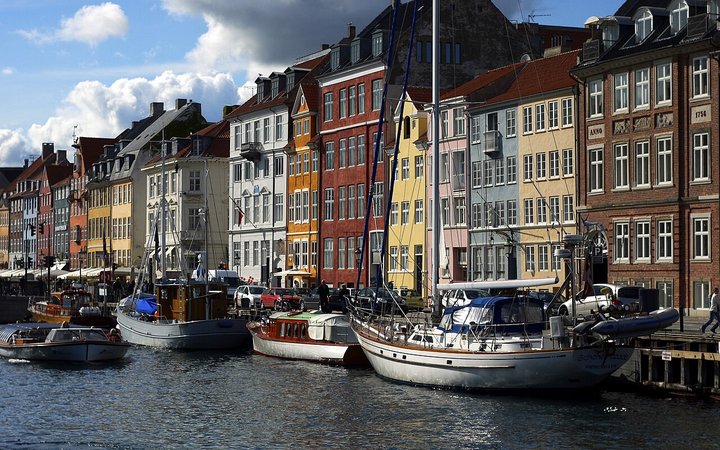
Nyhavn offers colourful 17th-century harbour lined with cafés and old wooden boats. During June to August, when days are long and mild, its streets draw plenty of daytime activity, whereas in January to February the pace feels calmer. Reading recent guest reviews from the same season gives useful context.
When you compare stays on Booking.com, Agoda, Trip.com, Hotels.com, Hostelworld or Vrbo, check both Indre By and Nyhavn. FindMyHotel takes no payment and never changes the price shown by the booking partner.
Seasonal tips for other areas in Copenhagen
Vesterbro (former meatpacking area, now full of bars, restaurants and rail access) and Nørrebro (multicultural district with independent shops, cafés and street food) give visitors additional ways to tailor a stay in Copenhagen. Travellers who want a specific neighbourhood character often compare these districts alongside the central core before making a final choice.
During busy months like June to August, when days are long and mild, looking one neighbourhood beyond the main postcard sights can open up calmer streets while keeping you a short ride from the centre. In January to February, comparing both central and outer areas lets you see which property offers the most practical layout for your group.
Always check what the total on the partner booking page includes, such as local city taxes, breakfast and flexible cancellation windows. Comparing the full breakdown before you pay prevents surprises at check-in.
- Compare at least two neighbourhoods in Copenhagen for the same check-in and check-out dates.
- Check whether local taxes or resort fees are included in the partner site total.
- Use flexible cancellation when booking several months ahead for June to August, when days are long and mild.
Planning a multi-stop trip around Copenhagen
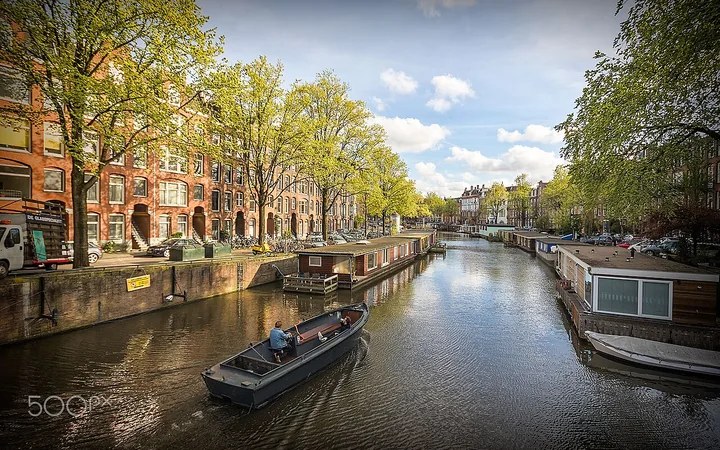
If you are visiting Europe for more than a few days, Copenhagen pairs well with Berlin, Amsterdam. Checking the seasonal notes for each city helps you order your route so that you hit outdoor highlights during June to August, when days are long and mild and keep flexible city days for changeable weather.
Travellers connecting between Copenhagen and Berlin often book a stay near the main transport hub on the night before travel. Every destination page on FindMyHotel lists the main areas and seasonal pointers so you can plan the whole route in one place.
When your dates are set, use FindMyHotel to open the booking sites with your details filled in and look before you book. If you book through a partner link we may earn a commission from the partner, at no extra cost to you.
Useful for this trip
Partner links: we may earn a commission if you book, at no extra cost to you.
Ready to compare stays?
Open the booking sites with your destination and dates already filled in. Free to use, and we add nothing to the price.
Compare stays in CopenhagenNeed flights too? FindMyFlight.app compares fares worldwide.
Questions and answers
Which months are usually good to visit Copenhagen?
Copenhagen is usually good to visit during June to August, when days are long and mild. Weather and events vary from year to year, so check local schedules for your dates.
When is Copenhagen usually quieter for hotel stays?
Demand in Copenhagen is often quieter during January to February, which can mean calmer streets and more room choice on booking sites.
Which areas in Copenhagen work well year-round?
Areas such as Indre By, Nyhavn, Vesterbro, Nørrebro each offer good access and local amenities. Compare a couple of neighbourhoods on your booking site to see what suits your trip.
Does FindMyHotel charge a booking fee for Copenhagen?
No. FindMyHotel is free to use and never adds anything to a room rate. You book and pay on the partner booking site directly.