When to visit
When to Visit Edinburgh: Seasons, Busy Times and Stay Guide
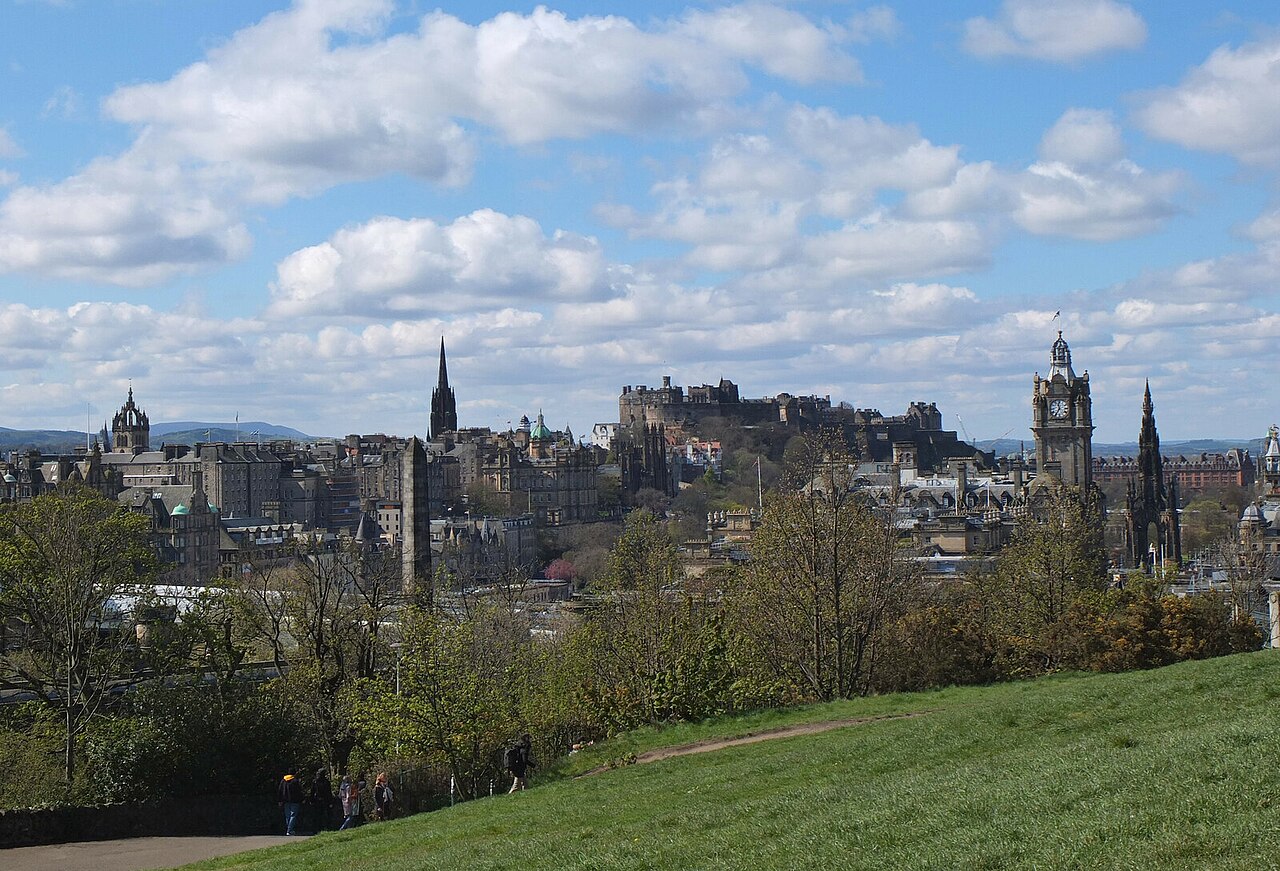
Quick answer. May to September brings long daylight hours to Edinburgh, making it ideal for exploring the city. August is festival season, which brings large numbers of visitors. If you prefer a calmer experience, February and March are the quietest months. You can choose to stay in historic areas like the Old Town, New Town, West End or Leith.
Partner links. This guide includes partner links. If you book through one we may earn a commission, at no extra cost to you. It never changes the price or the order of our results.
How daylight hours shape your Scottish holiday
Edinburgh changes significantly throughout the year, so picking your travel dates depends on what you want from your trip. May to September brings long daylight hours to the Scottish capital, which gives you plenty of time to explore the city on foot. You can wander along historic cobbled streets without feeling rushed before twilight sets in.
Visiting during these brighter months allows you to take long evening strolls past historic landmarks. The extended daylight helps travellers make the most of every day without needing a tight schedule. It creates a relaxed atmosphere across central neighbourhoods, where people spend more time outdoors enjoying the historic backdrop.
Earlier in the year, shorter days create a different rhythm for your holiday in Scotland. You might spend more time inside museums or enjoying indoor spaces around the city centre. Checking room options well ahead helps you secure a comfortable base for your chosen travel dates.
- May to September provides long daylight hours for sightseeing.
- August brings the festival season and higher visitor numbers.
- February and March offer the quietest experience of the year.
What to expect during the busy festival season
August is festival season in Edinburgh, bringing a significant influx of visitors to the capital. Streets fill with activity and cultural events take place across this historic destination. If you enjoy an energetic setting, this month offers a lively mood across central locations.
Demand for accommodation reaches high levels during late summer and festival weeks. Central areas become very busy, which means you should plan your travel arrangements early. You should look before you book to review choices across different districts.
Choosing flexible cancellation terms gives you peace of mind if your plans change closer to the summer. The FindMyHotel team suggests securing a room early while keeping your travel details flexible. This practical approach helps you organise your trip smoothly during peak periods.
Why the quietest months offer a calmer atmosphere
February and March are the quietest months for visiting this historic capital city. Lower visitor numbers mean you can walk through historic sites without navigating through large groups. It is a suitable period for travellers who prefer a slower pace and calmer streets.
During these months, you can enjoy a local atmosphere in public spaces. Popular sights feel more spacious, giving you time to appreciate the detailed history around you. Moving through the city becomes simple and relaxed without peak summer crowds.
Cooler weather during early spring simply requires packing warm clothing for your daily walks. You can explore grand architecture without facing heavy foot traffic outside major attractions. Using FindMyHotel allows you to compare stays across quiet neighbourhoods easily.
Staying in the Old Town along medieval lanes
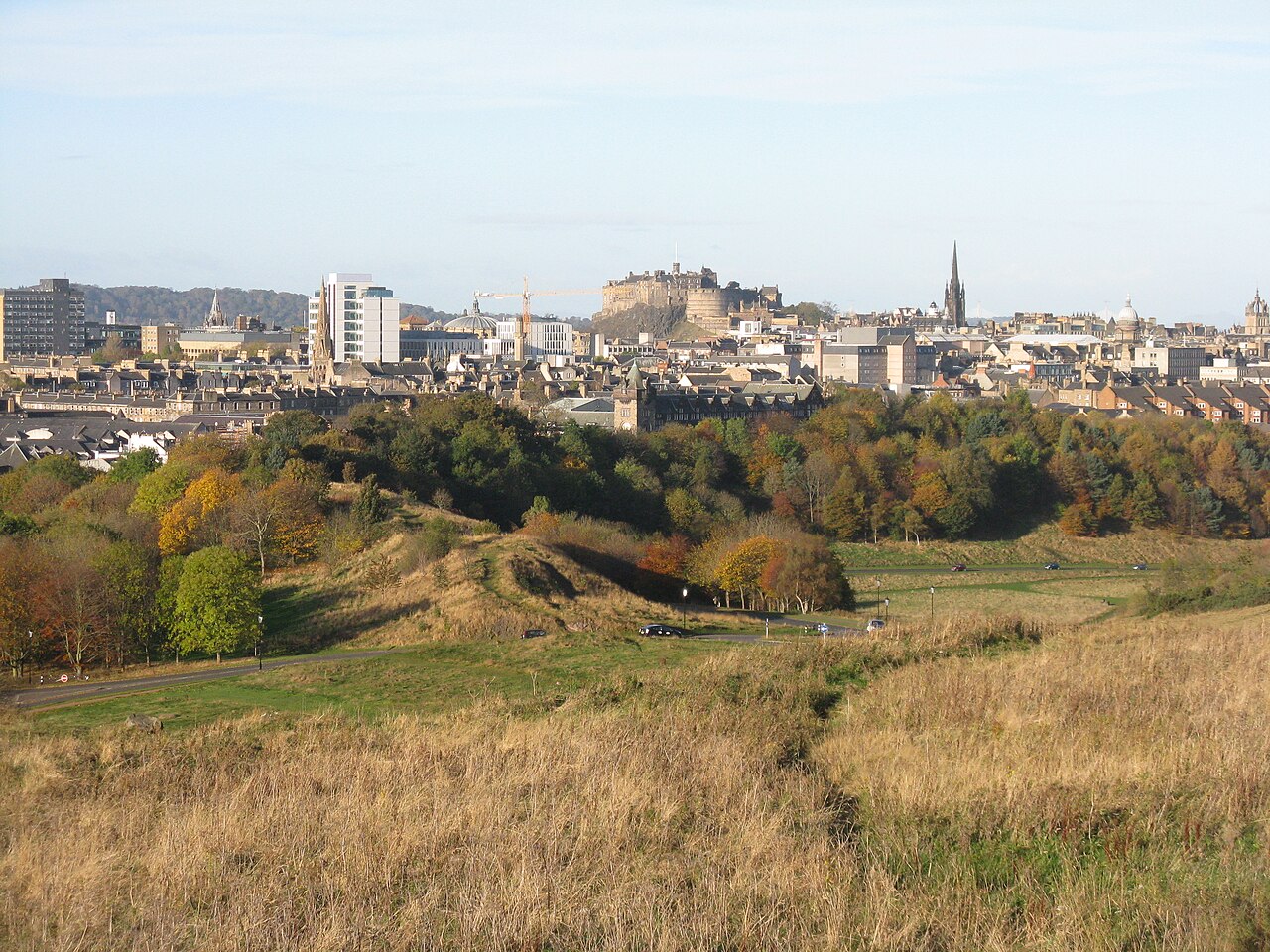
The Old Town features medieval lanes running along the Royal Mile, situated between the castle and Holyrood. Staying here places you directly in the historic heart of the city, surrounded by historic architecture. You can step out of your door directly onto ancient cobbled streets.
This central district remains a frequent choice for first-time visitors throughout the year. Staying here offers direct access to historic landmarks without travelling far across the city. The area reflects its original medieval layout with lanes running off the main thoroughfare.
Because of its central position, this neighbourhood remains active throughout the day. The atmosphere is energetic during summer months when visitor numbers rise. If you want history on your doorstep, this area provides a very historic location.
Enjoying the Georgian streets of the New Town
The New Town features Georgian streets, Princes Street shops and gardens sitting below the castle. This district offers a layout that contrasts with the winding lanes of the Old Town. The area provides an elegant setting for your holiday in the capital.
Staying in this neighbourhood keeps you close to main retail streets and public green spaces. Princes Street gardens sit directly below the castle, offering open space in the city centre. You can easily walk across to the historic quarter via connecting streets.
The New Town suits travellers who appreciate historic buildings alongside central amenities. It can get busy around the main shopping thoroughfares during daytime hours. However, the residential streets provide a calmer environment during the evening.
Choosing the West End for elegant convenience
The West End is an elegant area near Haymarket and Princes Street, making it convenient for trains. This district combines quiet residential streets with local businesses. It sits slightly away from the primary tourist crowds while remaining very central.
The proximity to Haymarket makes this neighbourhood useful for travellers taking train journeys across the region. You can access transport links while enjoying a refined neighbourhood setting. It connects smoothly to surrounding central districts.
Visitors often pick the West End for its balance of transport access and a peaceful atmosphere. It works well during busy summer months when you want a quieter place to rest. You can search different areas on FindMyHotel to find your ideal stay.
Exploring the relaxed waterfront district of Leith
Leith is a waterfront district known for its seafood restaurants and a relaxed local feel. This area provides a distinct maritime character away from the main castle area. It attracts visitors who want to experience a different side of local urban life.
The waterfront area offers scenic walks alongside the water. Dining here gives you access to local seafood spots in a distinct coastal setting. It maintains a relaxed community feel within the broader Scottish capital.
The relaxed pace makes Leith an appealing base if you prefer calm evenings by the water. It offers a alternative to staying directly in the busier central areas. You can choose this area for a scenic setting while planning your daily visits across Edinburgh.
Useful for this trip
Partner links: we may earn a commission if you book, at no extra cost to you.
Ready to compare stays?
Open the booking sites with your destination and dates already filled in. Free to use, and we add nothing to the price.
Compare stays in EdinburghNeed flights too? FindMyFlight.app compares fares worldwide.
Questions and answers
Which months offer the longest daylight in Edinburgh?
May to September brings the longest daylight hours to Edinburgh. These extended light hours make exploring the city on foot simple and enjoyable during late afternoons and evenings.
When is the quietest time to visit Edinburgh?
February and March are the quietest months for visitors in Edinburgh. During this time, you will encounter fewer crowds at major landmarks and enjoy a calmer local atmosphere.
When does the Edinburgh festival season take place?
August is the festival season in Edinburgh, bringing large numbers of visitors and events. Central neighbourhoods become very busy, so planning your travel early is recommended.
Which Edinburgh neighbourhood is convenient for train travel?
The West End is particularly convenient for rail travel because it sits near Haymarket and Princes Street. It offers an elegant setting within easy reach of central transport routes.