When to visit
When to visit Reykjavik: seasons, busy times and where to stay
Quick answer. The most popular months to visit Reykjavik, Iceland, are June to August for long daylight, or September to March for chances of Northern Lights, while mid-week shoulder dates are often quieter with lower demand. Your travel dates affect availability across Downtown, Old Harbour, Laugardalur, Vesturbær. Compare several booking sites on FindMyHotel and look before you book.
Partner links. This guide includes partner links. If you book through one we may earn a commission, at no extra cost to you. It never changes the price or the order of our results.
Overview of the travel calendar in Reykjavik
Planning when to visit Reykjavik in Iceland helps you balance weather, daylight and neighbourhood atmosphere. The city attracts visitors for iceland's compact coastal capital, a base for Northern Lights trips, geothermal pools, glaciers and Golden Circle tours, and the rhythm of its streets shifts noticeably between peak months and quieter stretches of the year.
In general, June to August for long daylight, or September to March for chances of Northern Lights offer reliable conditions for sightseeing and exploring areas such as Downtown, Old Harbour, Laugardalur, Vesturbær. Outside peak holiday weeks, mid-week stays in Reykjavik often give travellers more choice across central neighbourhoods.
FindMyHotel is free to use and never adds anything to a room rate. It opens booking sites such as Booking.com, Agoda, Trip.com, Hotels.com, Hostelworld and Vrbo with Reykjavik and your dates filled in so you can see live availability on each partner site.
- Usually good months for Reykjavik: June to August for long daylight, or September to March for chances of Northern Lights.
- Key areas to compare: Downtown, Old Harbour, Laugardalur, Vesturbær.
Visiting Reykjavik during the main season
During June to August for long daylight, or September to March for chances of Northern Lights, Reykjavik is in its main visitor season. Outdoor cafes, viewpoints and cultural sights across Downtown and Old Harbour stay active all day. Travellers who want lively streets and full seasonal schedules often pick these months. Daylight hours also suit longer neighbourhood walks.
Because demand rises during June to August for long daylight, or September to March for chances of Northern Lights, stays in Downtown and Old Harbour can book up early. Comparing two or three booking sites several weeks ahead gives you a clearer view of available rooms. You can also check cancellation terms before you commit.
If your travel dates fall inside June to August for long daylight, or September to March for chances of Northern Lights, try shifting your arrival by a couple of days on partner sites. You can also set an optional email re-check reminder on FindMyHotel. Every reminder confirms by email first and includes a one-click unsubscribe.
What to expect in quieter months in Reykjavik
Quieter periods in Reykjavik usually fall outside school holidays, when demand for rooms is often lower. Travellers who prefer unhurried museum visits and calmer pavements often enjoy Reykjavik during these weeks. Restaurant tables are also easier to book.
In quieter months, staying in central Reykjavik, such as Downtown or Laugardalur, is easier to arrange. You can also compare larger room layouts or holiday apartments on partner sites. Lower occupancy across the city often means wider choice.
Before booking a quieter-season stay in Reykjavik, check the property page for seasonal facilities and local transport notes. Conditions vary from year to year in Iceland. Flexible booking terms remain a smart choice whenever your dates could shift.
Matching seasons to Downtown and Old Harbour
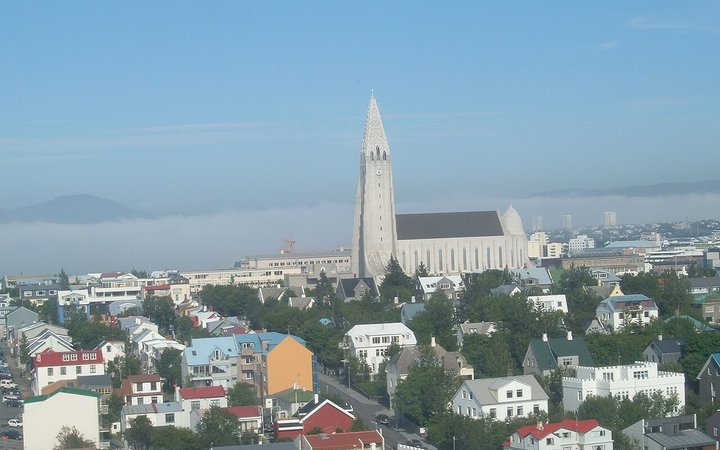
Different neighbourhoods in Reykjavik shine at different times of the year. Downtown offers colourful streets with Hallgrímskirkja church, cafés, shops and bars, making it a practical base year-round. Short walks to transport and daily essentials help in every season. Check how close your chosen property sits to the nearest transit stop.
Old Harbour offers waterfront with whale-watching tours, seafood restaurants and the Harpa concert hall. During June to August for long daylight, or September to March for chances of Northern Lights, its streets draw plenty of daytime activity, whereas in quieter weeks the pace feels calmer. Reading recent guest reviews from the same season gives useful context.
When you compare stays on Booking.com, Agoda, Trip.com, Hotels.com, Hostelworld or Vrbo, check both Downtown and Old Harbour. FindMyHotel takes no payment and never changes the price shown by the booking partner.
Seasonal tips for other areas in Reykjavik
Laugardalur (residential area with a large geothermal pool, botanic garden and zoo) and Vesturbær (calm western district with a local swimming pool and seaside walks) give visitors additional ways to tailor a stay in Reykjavik. Travellers who want a specific neighbourhood character often compare these districts alongside the central core before making a final choice.
During busy months like June to August for long daylight, or September to March for chances of Northern Lights, looking one neighbourhood beyond the main postcard sights can open up calmer streets while keeping you a short ride from the centre. In quieter periods, comparing both central and outer areas lets you see which property offers the most practical layout for your group.
Always check what the total on the partner booking page includes, such as local city taxes, breakfast and flexible cancellation windows. Comparing the full breakdown before you pay prevents surprises at check-in.
- Compare at least two neighbourhoods in Reykjavik for the same check-in and check-out dates.
- Check whether local taxes or resort fees are included in the partner site total.
- Use flexible cancellation when booking several months ahead for June to August for long daylight, or September to March for chances of Northern Lights.
Planning a multi-stop trip around Reykjavik
If you are visiting Europe for more than a few days, Reykjavik pairs well with Edinburgh, Dublin, London. Checking the seasonal notes for each city helps you order your route so that you hit outdoor highlights during June to August for long daylight, or September to March for chances of Northern Lights and keep flexible city days for changeable weather.
Travellers connecting between Reykjavik and Edinburgh often book a stay near the main transport hub on the night before travel. Every destination page on FindMyHotel lists the main areas and seasonal pointers so you can plan the whole route in one place.
When your dates are set, use FindMyHotel to open the booking sites with your details filled in and look before you book. If you book through a partner link we may earn a commission from the partner, at no extra cost to you.
Useful for this trip
Partner links: we may earn a commission if you book, at no extra cost to you.
Ready to compare stays?
Open the booking sites with your destination and dates already filled in. Free to use, and we add nothing to the price.
Compare stays in ReykjavikNeed flights too? FindMyFlight.app compares fares worldwide.
Questions and answers
Which months are usually good to visit Reykjavik?
Reykjavik is usually good to visit during June to August for long daylight, or September to March for chances of Northern Lights. Weather and events vary from year to year, so check local schedules for your dates.
When is Reykjavik usually quieter for hotel stays?
Mid-week dates outside major holidays are often quieter in Reykjavik, giving travellers more choice across central areas.
Which areas in Reykjavik work well year-round?
Areas such as Downtown, Old Harbour, Laugardalur, Vesturbær each offer good access and local amenities. Compare a couple of neighbourhoods on your booking site to see what suits your trip.
Does FindMyHotel charge a booking fee for Reykjavik?
No. FindMyHotel is free to use and never adds anything to a room rate. You book and pay on the partner booking site directly.