Where to stay
Where to stay in Tokyo: the main areas explained
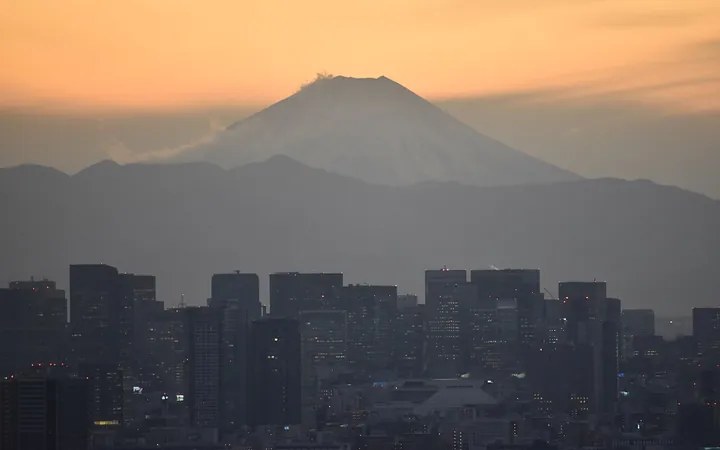
Quick answer. Choosing where to stay in Tokyo, Japan, starts with matching your daily plans to the right neighbourhood, such as Shinjuku, Shibuya, Ginza, Asakusa. Most visitors travel during March to May and October to November, for cherry blossom and autumn colour, while January to February often bring quieter streets. Compare a few areas on FindMyHotel and look before you book.
Partner links. This guide includes partner links. If you book through one we may earn a commission, at no extra cost to you. It never changes the price or the order of our results.
How Tokyo is laid out for visitors
Tokyo in Japan rewards travellers who match their neighbourhood to how they plan to spend each day. The city is known for a vast metropolis mixing neon districts, temples, gardens, outstanding food and very efficient trains, and its main districts each have a distinct rhythm. Instead of searching the whole city at once, narrowing your shortlist to two or three areas saves time and keeps daily travel simple.
The core areas most visitors compare in Tokyo include Shinjuku, Shibuya, Ginza, Asakusa. Each of the main areas in Tokyo, from Shinjuku to Asakusa, serves a distinct style of trip. Looking at what you want outside your door in the morning and late evening will point you quickly to the right part of town.
FindMyHotel is free to use and never adds anything to a room rate. Because FindMyHotel does not show hotel prices, it opens well-known booking sites with Tokyo, your dates and your guest count already filled in so you can compare live availability side by side.
Staying in Shinjuku: atmosphere and daily access
Shinjuku stands out in Tokyo for major rail hub with skyscrapers, nightlife and department stores. Visitors who stay in Shinjuku can walk out each morning without long transit rides. Because Tokyo draws steady interest for a vast metropolis mixing neon districts, temples, gardens, outstanding food and very efficient trains, picking the right base makes every day smoother. Short walks save energy for evening dining.
When comparing stays in Shinjuku, check how close each property sits to public transport. Some blocks in Shinjuku stay lively at night, while side streets remain calmer. Reading recent guest reviews on the booking page helps confirm noise levels, lift access and check-in hours. That quick check prevents surprises after arrival.
If your itinerary mixes time in Shinjuku with visits to Shibuya, check the map on each booking site. FindMyHotel opens Booking.com, Agoda, Trip.com, Hotels.com, Hostelworld and Vrbo with Tokyo and your dates filled in. You can compare the total price and cancellation terms directly on the partner page.
- Check the exact walking route from your property in Shinjuku to the nearest transit stop.
- Read recent guest reviews for notes on evening street noise and room layout.
- Compare flexible and non-refundable room rules across at least two booking sites.
Staying in Shibuya: atmosphere and daily access
Shibuya stands out in Tokyo for youth-fashion district with the famous pedestrian scramble crossing. Visitors who stay in Shibuya can walk out each morning without long transit rides. Because Tokyo draws steady interest for a vast metropolis mixing neon districts, temples, gardens, outstanding food and very efficient trains, picking the right base makes every day smoother. Short walks save energy for evening dining.
When comparing stays in Shibuya, check how close each property sits to public transport. Some blocks in Shibuya stay lively at night, while side streets remain calmer. Reading recent guest reviews on the booking page helps confirm noise levels, lift access and check-in hours. That quick check prevents surprises after arrival.
If your itinerary mixes time in Shibuya with visits to Ginza, check the map on each booking site. FindMyHotel opens Booking.com, Agoda, Trip.com, Hotels.com, Hostelworld and Vrbo with Tokyo and your dates filled in. You can compare the total price and cancellation terms directly on the partner page.
Staying in Ginza: atmosphere and daily access
Ginza stands out in Tokyo for upscale shopping and dining area close to Tokyo Station. Visitors who stay in Ginza can walk out each morning without long transit rides. Because Tokyo draws steady interest for a vast metropolis mixing neon districts, temples, gardens, outstanding food and very efficient trains, picking the right base makes every day smoother. Short walks save energy for evening dining.
When comparing stays in Ginza, check how close each property sits to public transport. Some blocks in Ginza stay lively at night, while side streets remain calmer. Reading recent guest reviews on the booking page helps confirm noise levels, lift access and check-in hours. That quick check prevents surprises after arrival.
If your itinerary mixes time in Ginza with visits to Asakusa, check the map on each booking site. FindMyHotel opens Booking.com, Agoda, Trip.com, Hotels.com, Hostelworld and Vrbo with Tokyo and your dates filled in. You can compare the total price and cancellation terms directly on the partner page.
Staying in Asakusa: atmosphere and daily access
Asakusa stands out in Tokyo for older district around Sensō-ji temple, with traditional shops and streets. Visitors who stay in Asakusa can walk out each morning without long transit rides. Because Tokyo draws steady interest for a vast metropolis mixing neon districts, temples, gardens, outstanding food and very efficient trains, picking the right base makes every day smoother. Short walks save energy for evening dining.
When comparing stays in Asakusa, check how close each property sits to public transport. Some blocks in Asakusa stay lively at night, while side streets remain calmer. Reading recent guest reviews on the booking page helps confirm noise levels, lift access and check-in hours. That quick check prevents surprises after arrival.
If your itinerary mixes time in Asakusa with visits to Shinjuku, check the map on each booking site. FindMyHotel opens Booking.com, Agoda, Trip.com, Hotels.com, Hostelworld and Vrbo with Tokyo and your dates filled in. You can compare the total price and cancellation terms directly on the partner page.
How seasons in Tokyo affect where you stay
Timing shapes your stay in Tokyo almost as much as location. The months that generally work well for a visit are March to May and October to November, for cherry blossom and autumn colour, when outdoor sights and neighbourhood walks are in full swing. During these busier weeks, central areas such as Shinjuku and Shibuya see higher demand, so comparing options early gives you a wider choice of room types.
Travellers who prefer calmer streets often look at January to February, when demand across Tokyo is usually quieter. In quieter weeks, you may find more availability across both central districts and residential pockets. Setting an optional email reminder on FindMyHotel lets you re-check your chosen dates without any SMS messages.
Weather and local events vary from year to year in Japan, so it is wise to favour a flexible cancellation policy if your plans could shift. You book and pay the hotel or booking site directly, and checking the full terms on the partner site keeps your trip stress-free.
- Popular months to visit Tokyo: March to May and October to November, for cherry blossom and autumn colour.
- Quieter months with lower demand in Tokyo: January to February.
- Main areas to compare: Shinjuku, Shibuya, Ginza, Asakusa.
Combining Tokyo with nearby destinations
Many travellers pair a stay in Tokyo with other destinations in Asia or beyond, especially Kyoto, Osaka, Seoul. If you plan to travel onward after a few nights in Tokyo, staying near a main rail station or airport link on your final night can make an early departure much easier.
For a longer stay, splitting your nights between two neighbourhoods in Tokyo, such as Shinjuku and Asakusa, lets you experience two different sides of the city without long cross-town journeys. Always check check-in and luggage storage rules on the booking site before moving between properties.
When you are ready to compare stays in Tokyo, open two or three partner sites through FindMyHotel and look before you book. If you book through a partner link, FindMyHotel may earn a commission from the partner at no extra cost to you, and that never changes the price you pay.
Useful for this trip
Partner links: we may earn a commission if you book, at no extra cost to you.
Ready to compare stays?
Open the booking sites with your destination and dates already filled in. Free to use, and we add nothing to the price.
Compare stays in TokyoNeed flights too? FindMyFlight.app compares fares worldwide.
Questions and answers
Which areas are popular for a first stay in Tokyo?
Visitors often start by comparing Shinjuku, Shibuya, Ginza, Asakusa. Each area has a different balance of sights, dining and transport, so pick the one that matches your daily plans.
When is a good time of year to visit Tokyo?
Tokyo is generally good to visit in March to May and October to November, for cherry blossom and autumn colour. Quieter months with lower demand are often January to February. Conditions vary by year, so check your specific dates before booking.
Does FindMyHotel show room rates for Tokyo?
No. FindMyHotel does not show hotel prices or add anything to a room rate. It opens partner booking sites with your destination and dates filled in so you see their live rates directly.
Can I combine Tokyo with other cities nearby?
Yes. Travellers often combine Tokyo with Kyoto, Osaka, Seoul. You can compare area guides for each of those destinations on FindMyHotel before choosing your dates.