Where to stay
Where to stay in Toronto: the main areas explained
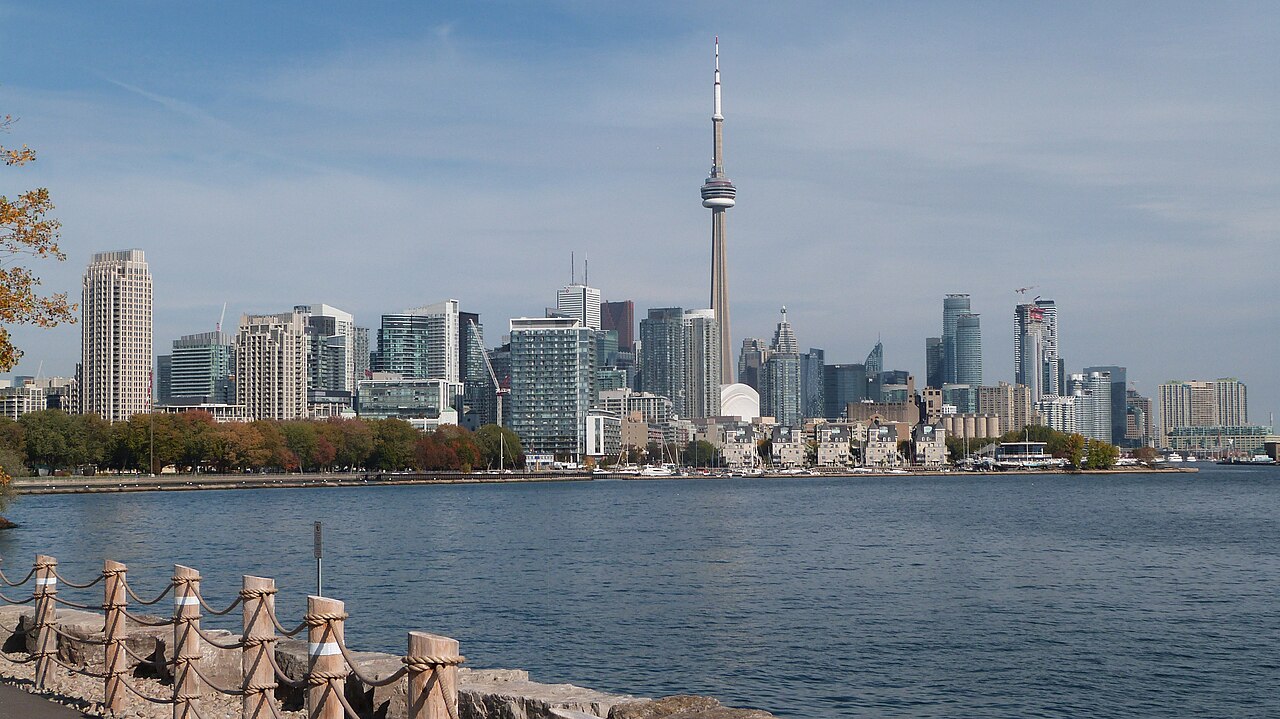
Quick answer. Toronto's main areas each suit a different kind of trip. Downtown Core puts you near the CN Tower, Union Station and the theatres. The Entertainment District adds nightlife, Yorkville brings boutiques and galleries, and Queen West offers independent shops and bars. Match the area to your days, then compare options before you book.
Partner links. This guide includes partner links. If you book through one we may earn a commission, at no extra cost to you. It never changes the price or the order of our results.
Which area fits your Toronto trip?
Toronto spreads across a large lakefront and a dense centre, so the area you pick shapes your days more than the hotel itself. The city is Canada's largest, known for the CN Tower, its lakefront, diverse neighbourhoods and food. It also sits within day-trip reach of Niagara Falls, which matters if you plan to travel out of the city.
Four areas come up most often for visitors: Downtown Core, Entertainment District, Yorkville and Queen West. Each has a clear personality and a set of trade-offs around access and atmosphere. None is right for everyone, and the honest answer depends on how you like to spend your time.
This guide explains who each area suits and what to weigh up before you commit. It does not cover hotel prices, because FindMyHotel shows none. Instead, it opens well-known booking sites with your destination, dates and guests already filled in, so you can look before you book.
- Downtown Core: central access to landmarks and transport
- Entertainment District: theatres, restaurants and nightlife
- Yorkville: boutiques, galleries and a calmer pace
- Queen West: independent shops, bars and galleries
Downtown Core: the practical base
Downtown Core suits anyone who wants the city's main landmarks within easy reach. The CN Tower, Union Station, theatres and sports venues all sit close by, which saves time on travel. If your trip is short and packed, this area keeps the logistics simple.
Union Station matters most for arrivals and day trips. It gives you a single point for trains and onward travel, including trips out towards Niagara Falls. Staying near it means less time hauling luggage and more time exploring.
The trade-off is pace. A central location brings crowds and traffic, and the busiest streets stay lively into the evening. Light sleepers should ask about room position when they book. Otherwise, this area works well for first-time visitors and anyone combining sightseeing with events.
Entertainment District: evenings out
The Entertainment District suits travellers who want their evenings close to hand. Theatres, restaurants and nightlife cluster here, near the waterfront and the CN Tower. You can walk to a show and back without planning transport, which many visitors value.
Its position also keeps the lakefront and the tower within reach, so daytime plans stay easy. That combination of culture and convenience makes it a natural choice for a weekend built around a performance or a game.
Weigh up the atmosphere honestly. Nightlife brings noise, and weekends run later than weekdays. If you want quiet mornings, ask the hotel about where your room sits. If you want energy on your doorstep, this area delivers it without much effort.

Yorkville: a slower, polished pace
Yorkville suits visitors who prefer a calmer base with plenty to browse. It is an upscale area of boutiques, galleries and restaurants, and the streets feel more measured than the centre. Couples and anyone travelling for a special occasion often gravitate here.
The area rewards unhurried days. You can spend a morning in galleries and an afternoon over a long lunch without crossing the city. That makes it a good fit if your trip is about atmosphere rather than ticking off landmarks.
The trade-off is distance from the core sights. You will likely rely on buses, taxis or the subway to reach the CN Tower and Union Station. Check the journey times from your shortlisted address before you commit, and confirm transport options with the hotel.
Queen West: independent character
Queen West suits travellers who like a neighbourhood feel and independent character. The strip is known for independent shops, bars and galleries, and it rewards wandering rather than planning. If you enjoy discovering a district on foot, this area gives you plenty to fill a day.
It also appeals to repeat visitors who have already seen the headline sights. The atmosphere is relaxed and creative, and the streets feel lived-in rather than polished. Many people choose it precisely because it feels less like a tourist zone.
Think about access before you book. Queen West sits away from Union Station, so arrival days need a little more planning. Check how you will reach the area with luggage, and confirm the nearest transport stops with your hotel.
When should you visit Toronto?
June to September brings warm days and suits most trips, especially if you plan to walk between areas. Summer also makes the lakefront and day trips more comfortable, including the journey towards Niagara Falls. Book early, because these months draw the most visitors.
January and February are the quietest months. The city slows down, and you will find fewer crowds around the main sights. Expect cold conditions and pack accordingly, then check official weather guidance before you travel.
Shoulder seasons can work well if your plans are flexible. Whatever month you choose, confirm opening times and transport with the venue or operator directly. Conditions change, and official sources carry the latest details.
How to choose your area
Start with your reason for visiting. If landmarks and events fill your days, Downtown Core or the Entertainment District keeps travel short. If atmosphere matters more, Yorkville or Queen West may suit you better. Write down your top three plans, then pick the area that shortens the journeys between them.
Next, weigh access against atmosphere. Central areas save time but bring noise and crowds, while quieter areas trade convenience for calm. Check journey times from each shortlisted address to the places you care about. Confirm transport details with the hotel before you commit.
Finally, compare your shortlist in one place. FindMyHotel opens well-known booking sites with your destination, dates and guests filled in, and the price appears on the partner site. You book and pay the hotel or booking site directly, and the site never adds anything to a room rate.
- List your top three plans and find the area closest to them
- Check journey times from each address to those plans
- Confirm transport and room position with the hotel
- Compare your shortlist before you commit
What about day trips and onward travel?
Toronto sits within day-trip reach of Niagara Falls, which draws many visitors for a single day out. Staying near Union Station makes an early start easier, because you can reach onward transport without a long transfer. Check timetables and tickets with the operator before you travel.
The city also connects to nearby destinations such as New York and Chicago for longer trips. If Toronto is one stop on a bigger journey, a central base simplifies the moving parts. Confirm routes and booking details with the airline or rail operator directly.
Build a little slack into any day-trip plan. Travel times and schedules can change, and official sources carry the latest information. A flexible plan keeps a single delay from reshaping your whole trip.
A simple checklist before you book
Good decisions come from a short list of questions, not from endless browsing. Decide what matters most, check the practicalities, then compare a small number of options. That approach keeps the process calm and saves time.
Use the checklist below to narrow your shortlist, then confirm the details that matter with the hotel or booking site. Ask about room position, transport links and check-in times. Small details often decide whether an area works for you.
- Match the area to your main plans, not to a single landmark
- Check journey times to Union Station and the airport
- Ask about room position if noise matters to you
- Confirm transport options with the hotel
- Re-check your shortlist closer to the date
Useful for this trip
Partner links: we may earn a commission if you book, at no extra cost to you.
Ready to compare stays?
Open the booking sites with your destination and dates already filled in. Free to use, and we add nothing to the price.
Compare stays in TorontoNeed flights too? FindMyFlight.app compares fares worldwide.
Questions and answers
Which Toronto area suits first-time visitors?
Downtown Core suits most first trips, because the CN Tower, Union Station, theatres and sports venues sit close by. The Entertainment District works well if evenings out matter. Match the area to your plans, then check journey times before you book.
Do I need a car to get around Toronto?
Most visitors manage without one in the central areas, using buses, taxis or the subway. Confirm transport options with your hotel and check journey times from your shortlisted address. A car can help for trips beyond the city, so compare options first.
When is the quietest time to visit Toronto?
January and February are the quietest months, with fewer crowds around the main sights. June to September brings warm days and draws more visitors. Check official weather guidance before you travel and pack for the season you choose.
Can I visit Niagara Falls as a day trip from Toronto?
Yes, Toronto sits within day-trip reach of Niagara Falls. Staying near Union Station makes an early start easier. Check timetables and tickets with the operator before you travel, and allow some slack in case schedules change.
Does FindMyHotel show hotel prices?
No. FindMyHotel does not show hotel prices. It opens well-known booking sites with your destination, dates and guests filled in, and the price appears on the partner site. You book and pay the hotel or booking site directly.